Good vision plays a major role in how we experience everyday life. From reading and driving to working and relaxing, healthy eyes support nearly everything we do. Many people focus on staying active, eating well, and reducing stress, but eye health often gets pushed aside until problems begin to interfere with daily routines. Even living in a calm and scenic place like northwest Georgia, where the environment supports physical and mental well-being, eye health can still face challenges that require proper medical attention.
Understanding common eye problems and knowing which treatments truly help can make a meaningful difference.
This article discusses frequent eye concerns and explains the treatment options that actually work, helping readers make informed decisions about their eye health.
Drooping Eyelids and How Eyelid Surgery Helps
Drooping eyelids, also known as ptosis, develop due to aging, muscle weakness, nerve damage, or injury. When the eyelid droops too far, it can block part of the visual field and force people to raise their eyebrows or tilt their head to see clearly. This constant strain often leads to headaches and eye fatigue. Eyelid surgery helps by lifting the eyelid into a more natural position, which improves vision and comfort. With northwest Georgia’s affordable cost of living, searching for an affordable facility is often easier than in many other regions. However, make sure you do your research and consider experience as well as the qualifications of surgeons for eyelid surgery in northwest Georgia, since skill plays a key role in both safety and results.
Blurry Vision: When Seeing Clearly Becomes a Challenge
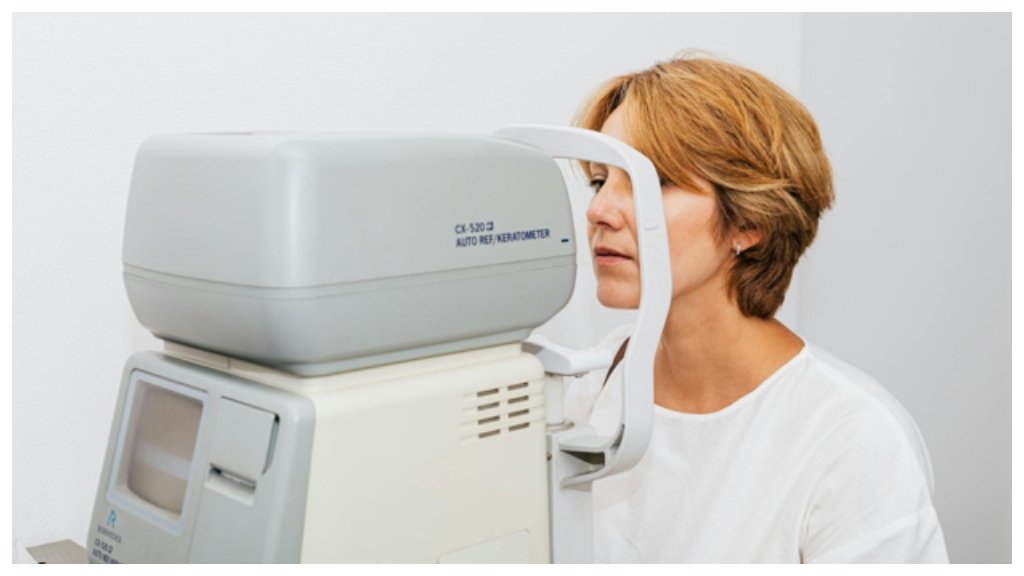
Blurry vision is one of the most common eye complaints, and it can appear gradually or suddenly. Many people first notice it when reading small text, driving at night, or trying to focus on screens. Causes range from simple refractive errors, such as nearsightedness or farsightedness, to more serious issues involving the cornea, lens, or retina. Blurry vision can also signal underlying health problems like diabetes or high blood pressure. Ignoring it often leads to worsening discomfort and reduced quality of life. A proper eye exam helps identify the exact cause and ensures the right treatment, whether that involves corrective lenses, medication, or further medical care.
Dry Eyes and Treatments That Provide Real Relief
Dry eyes develop when the eyes do not produce enough tears or when tears evaporate too quickly. This condition causes burning, redness, and a gritty sensation that makes blinking uncomfortable. Dry eyes often worsen with prolonged screen use, exposure to wind, or time spent in air-conditioned spaces. While over-the-counter eye drops offer temporary relief, they do not always address the underlying cause.
Treatment may involve medicated drops, lifestyle adjustments, or procedures that help tears stay on the eye longer.
Eye Strain in a Screen-Focused World
Modern life places heavy demands on the eyes, especially through constant screen exposure. Phones, computers, and tablets force the eyes to focus for long periods without adequate breaks. This leads to symptoms such as soreness, blurred vision, and difficulty concentrating. Poor lighting and improper screen distance make the problem worse. Reducing eye strain requires simple but consistent changes, such as taking regular breaks, adjusting screen brightness, and maintaining proper posture. In some cases, specialized lenses help reduce strain and improve visual comfort during long work hours.
Red and Irritated Eyes: Allergies or Something More
Red and irritated eyes often appear harmless, but they can signal different problems. Allergies commonly cause redness, itching, and watery eyes, especially during seasonal changes. However, infections, dryness, and inflammation can cause similar symptoms. Using the wrong treatment may worsen the condition instead of helping it. A proper evaluation identifies whether the irritation stems from allergies or a more serious issue. Targeted treatments reduce inflammation, clear infection, and restore eye comfort without unnecessary delays.
Cataracts and the Importance of Timely Care
Cataracts develop when the eye’s natural lens becomes cloudy, making vision appear dull or hazy. Many people notice difficulty with night driving, sensitivity to light, or colors losing their sharpness. Cataracts often progress slowly, which causes people to adjust without realizing how much their vision has changed. While early stages may only require updated glasses, advanced cataracts interfere with daily activities and independence. Modern cataract treatment offers safe and effective solutions that restore clearer vision.
Eye Infections and Why Proper Treatment Matters
Eye infections can develop from bacteria, viruses, or fungi and often cause redness, discharge, pain, and sensitivity to light. Some infections spread easily, especially in shared environments or through poor hygiene. Treating an eye infection without professional guidance can delay healing and increase the risk of complications. Different infections require specific medications, and using the wrong treatment may worsen symptoms. Prompt care ensures the infection clears fully and helps prevent damage to the eye’s surface or deeper structures. Proper treatment also reduces the risk of recurring infections.
Glaucoma: The Silent Threat to Vision
Glaucoma stands out because it often shows no early symptoms. It damages the optic nerve gradually, usually due to increased pressure inside the eye. Many people do not realize they have glaucoma until noticeable vision loss occurs, which cannot be reversed. Regular eye exams play a critical role in detection, especially for individuals with a family history of the condition. Treatment focuses on controlling eye pressure through prescription drops, laser therapy, or surgery when needed. Consistent treatment slows progression and protects remaining vision, making early diagnosis essential. Click here for more information.
Eye health deserves the same level of attention as any other aspect of well-being. Many eye conditions respond well to treatment when addressed early, but delay often leads to avoidable complications. Clear sight supports confidence, safety, and independence, making informed eye care a lasting investment rather than a reactive choice.