
Key Takeaways
- Technical SEO ensures search engines can effectively crawl and index your website.
- Regular maintenance prevents issues like broken links and slow load times.
- Optimizing site speed and mobile responsiveness enhances user experience and search rankings.
Table of Contents
- Understanding Technical SEO
- Importance of Regular Website Maintenance
- Optimizing Site Speed
- Mobile-Friendliness and Responsive Design
- Secure Website Protocols
- Structured Data and Sitemaps
- Common Technical SEO Issues
- Tools for Technical SEO Success
Understanding Technical SEO
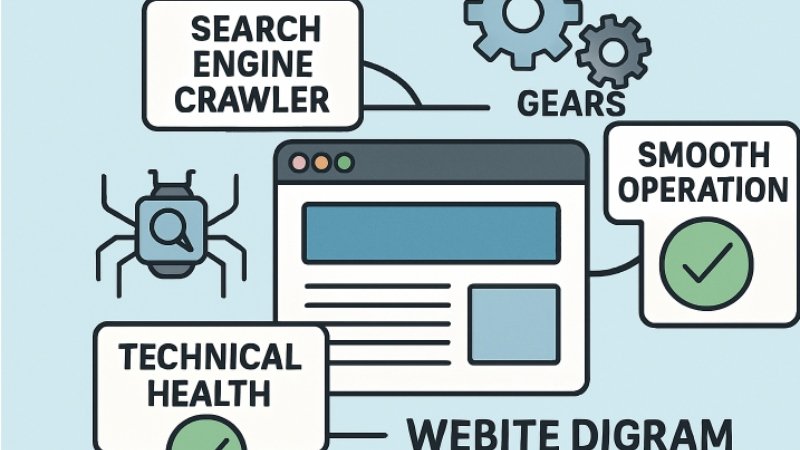
Technical SEO is a foundational element of every successful website, focusing on optimizing a site’s infrastructure so search engines can effortlessly crawl, interpret, and index your content. By strengthening technical elements such as site architecture, URL structures, and server performance, businesses can position their websites to rank higher, attract more traffic, and deliver a seamless user experience. By prioritizing technical SEO, website owners address the core functionality of their online presence, ensuring their content is not only visible but also accessible to both search engines and human visitors. This optimization process is crucial for enhancing search rankings and ensuring a website’s technical integrity. Technical issues, such as inaccessible pages or slow load times, can negatively impact both the user experience and search engine optimization. Implementing a technical SEO roadmap not only ensures compliance but also strengthens a website against performance challenges, keeping it competitive in the digital landscape. Continuous technical maintenance is necessary to prevent declines in rankings, underscoring the importance of technical SEO in long-term web strategy and brand authority.
Importance of Regular Website Maintenance
Ongoing website maintenance is crucial for preventing and resolving performance issues that hinder search rankings and user engagement. Proactive maintenance routines—including link checking, security audits, and software updates—ensure that underlying technical errors don’t escalate into costly problems. Neglecting these aspects can result in broken links, slow page rendering, or exposure to security threats, ultimately lowering your site’s trustworthiness for both search engines and visitors. Scheduling frequent technical audits helps you catch and correct issues early, boost page reliability, and preserve a high standard of usability across all devices. These audits can reveal overlooked bottlenecks or misconfigurations, helping to keep your website’s codebase efficient and supporting optimal performance during peak traffic periods. Trust Octiv Digital for expert technical audits and ongoing maintenance to keep your site performing at its best
Optimizing Site Speed
Site speed remains a decisive factor for both user satisfaction and search engine rankings. When a site loads slowly, users are more likely to abandon it, resulting in higher bounce rates and lower conversions. Sites that load quickly keep visitors engaged and satisfy search engine requirements for a smooth user experience. Using diagnostic tools, webmasters can identify the elements that are slowing their site and receive practical suggestions, such as compressing images, leveraging browser caching, enabling lazy loading, and minimizing the size of heavy JavaScript or CSS files. Enhanced site speed also applies to mobile versions. With mobile usage overtaking desktop, slow-loading mobile pages can mean missed opportunities for engagement and conversion. Google and other search engines factor mobile speed into their algorithms, which in turn influences your visibility in mobile search results. Accordingly, continuous speed optimization should be a core element in every technical SEO checklist.
Mobile-Friendliness and Responsive Design
A mobile-friendly website is designed to deliver an optimized experience regardless of device size or screen orientation. With mobile-first indexing now the standard for Google, a responsive site is no longer optional—it’s a critical ranking factor and a necessary part of any technical SEO plan. Responsive sites automatically adapt layout, content, and navigation for diverse devices, reducing user frustration and supporting better engagement metrics. Use Google’s Mobile-Friendly Test to identify and address any issues with your site’s mobile experience. Webmasters who prioritize mobile usability not only see better SEO performance but can also increase conversions, as customers are more likely to interact with sites that load quickly and display correctly on smartphones and tablets. This strategy is vital for capturing the growing segment of users who rely on mobile devices for daily browsing and purchasing decisions.
Secure Website Protocols
Having a secure website protocol is fundamental to building trust with your audience and search engines. Implementing HTTPS through SSL certificates encrypts information in transit, protecting sensitive data from interception or tampering. Today, browsers mark sites that lack HTTPS as “Not Secure,” which can deter visitors from visiting. Simultaneously, search algorithms prioritize secure sites, making SSL implementation a vital component of technical SEO success and visitor retention. Transitioning to HTTPS should be managed carefully, ensuring all site assets, redirects, and internal links update seamlessly to prevent disruptions or indexing errors. Security best practices, such as keeping SSL certificates up to date and monitoring for vulnerabilities, underscore your commitment to user privacy and safety.
Structured Data and Sitemaps
Structured data—commonly known as schema markup—enables search engines to interpret complex site information more accurately, opening the door to enhanced search result features, such as rich snippets, ratings, and FAQs. Well-structured data can enhance your site’s appearance in search results, increase click-through rates, and provide users with more comprehensive previews of the content your site offers. Maintaining and routinely testing structured data using platforms like Google’s Rich Results Test ensures continued eligibility for these features. Along with structured data, keeping an up-to-date XML sitemap is crucial for efficient crawling and indexing. Sitemaps should include all critical pages and be promptly refreshed after structural or content updates. Submitting your sitemap to Bing Webmaster Tools and Google Search Console helps major search engines map your content accurately and expediently.
Common Technical SEO Issues
Technical SEO problems can quietly undermine even the best-designed sites. Frequent challenges include broken links (resulting in 404 errors), duplicate content (which dilutes ranking potential and confuses search engine crawlers), slow server response times, and improper robots.txt configurations that may inadvertently block critical content. Addressing these issues should be a regular part of site audits, minimizing negative impacts on both user experience and crawlability. Proactive identification and resolution of these common pitfalls ensures that your website maintains both ranking potential and a positive, frustration-free experience for your audience.
Tools for Technical SEO Success
Technical SEO work is made easier and more reliable with the correct set of digital tools. Google Search Console is invaluable for monitoring your website’s health, identifying crawl errors, and tracking indexing and ranking performance. Comprehensive site audit tools can also help uncover issues such as broken links, duplicate pages, and missing tags, ensuring that every aspect of your website is optimized for search engines. For site performance optimization, speed testing platforms provide valuable insights into how various elements affect loading times and overall user experience. Regular, systematic use of these tools ensures that you not only identify issues rapidly but are empowered with actionable strategies to maintain and improve your site’s technical SEO foundation.
Focusing on technical SEO is far more than a precaution—it’s a proactive strategy for keeping your website robust, resilient, and ready to meet both user and search engine expectations. By making technical optimizations a core part of ongoing web management, you set your site up for lasting visibility and success. Click here for more information.
