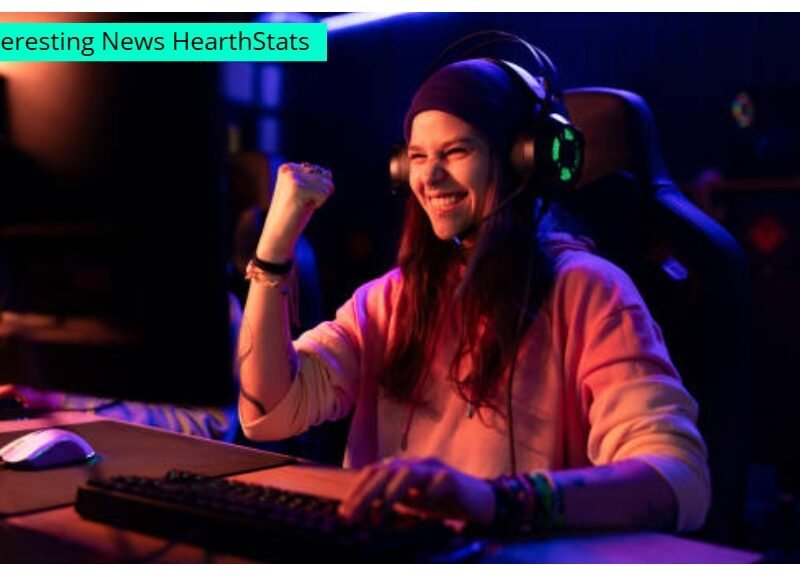
Esports has exploded from living-room fun into an arena that mirrors traditional sports—sponsorships, global leagues, and millions of fans cheering from every corner of the world. Yet behind the bright lights lies a quieter truth: fatigue, pressure, and burnout often shadow the glory. Amid this reality, one organisation is rewriting the script. ProjectRethink Org Team Esports is not just a name; it’s a movement that puts people, purpose, and balance at the heart of competitive gaming.
The Birth of a Different Kind of Esports Organisation
Most teams build around performance metrics and prize pools. ProjectRethink started from an entirely different question: What if the health of the player was the real win condition?
The founders—educators, psychologists, and veteran gamers—came together with a mission to humanise esports. They wanted to show that victory and wellbeing can coexist. Their early sessions weren’t just about strategy or reflex drills; they included mindfulness workshops, physical-fitness routines, and open discussions about mental strain.
Within months, ProjectRethink became known for something rare in the industry: empathy.
Vision and Philosophy
At its core, ProjectRethink Org Team Esports believes performance should grow from stability, not stress. The team’s philosophy rests on three pillars:
-
Balance – Gaming excellence supported by rest, nutrition, and mental wellness.
-
Inclusivity – Equal access and representation for every type of player.
-
Integrity – Fair contracts, transparent communication, and ethical competition.
This approach challenges the “grind culture” that dominates esports. Instead of glorifying 14-hour practice days, ProjectRethink promotes structured, mindful training that values long-term growth over short-term wins.
Inside the Player-First Ecosystem
ProjectRethink’s infrastructure looks more like a university than a gaming boot camp.
| Division | Purpose | Example Activities |
|---|---|---|
| Performance Lab | Technical mastery and strategy | Game analytics, replay reviews |
| Health & Wellness | Physical fitness and mental care | Yoga, therapy sessions |
| Education & Career | Life skills beyond gaming | Communication, financial literacy |
| Community Impact | Outreach and mentoring | Local tournaments, charity events |
Players work with nutritionists, psychologists, and performance analysts side by side. They’re taught not only how to win matches, but how to sustain a career—and a life—within the industry.
The Diversity Imperative
While many organisations talk about inclusivity, ProjectRethink turns it into policy. Recruitment actively seeks women, LGBTQ+ players, and talent from developing regions. Training programs provide equipment grants and remote coaching so that socioeconomic barriers don’t block opportunity.
The result is a roster that mirrors the real gaming community—diverse, global, and vibrant. This authentic representation has become one of the organisation’s strongest brand assets, earning them respect from fans and analysts alike.
Competitive Success Without Compromise
Critics once claimed that prioritising wellness might hurt results. ProjectRethink has proven the opposite. The team’s structured routines and positive culture have produced consistent top-tier finishes in international tournaments.
Highlights include:
-
A breakthrough semifinal run in a major MOBA championship.
-
Recognition from the Esports Diversity & Wellness Awards 2024.
-
Collaboration invitations from leading gaming expos for workshops on sustainable competition.
By reducing burnout, ProjectRethink achieves the one thing every coach dreams of—consistency. Players perform better because they feel better.
Innovation in Training and Technology
The team’s innovation extends beyond philosophy into how it trains.
Data With a Human Touch
Advanced analytics track reaction times, decision-making, and stress levels. Coaches then combine this data with psychological insights to craft personalised improvement plans.
Virtual Reality Simulation
VR modules place players in simulated crowd noise and pressure situations to sharpen composure. Instead of fearing the stage, athletes learn to thrive in it.
Sustainable Technology Practices
Energy-efficient servers, recycled peripherals, and online scrims reduce environmental impact. ProjectRethink’s commitment to eco-friendly gaming has even inspired partner organisations to adopt similar standards.
Community Building: Beyond the Arena
A defining trait of ProjectRethink Org Team Esports is its relationship with the wider community. The team doesn’t isolate itself in high-tech training rooms; it reaches outward.
-
Mentorship camps introduce young gamers to teamwork, digital ethics, and mental health awareness.
-
Charity tournaments raise funds for mental-health nonprofits.
-
Educational collaborations with schools highlight how gaming skills—focus, strategy, cooperation—translate into real-world strengths.
These efforts reshape how society perceives gamers: not as isolated individuals, but as future leaders and innovators.
The Pros and Cons of a Player-Centric Model
| Strengths | Challenges |
|---|---|
| Sustainable long-term performance | Slower short-term growth |
| Strong brand trust and loyalty | Requires higher operating costs |
| Healthier, happier athletes | Demands constant wellness oversight |
| Social impact and positive PR | Fewer immediate commercial sponsors |
ProjectRethink’s model may not yield explosive short-term profits, but its long game—loyal fans, healthier players, respected ethics—creates enduring value.
Lessons for the Esports Industry
The rise of ProjectRethink offers a mirror to the industry. It asks uncomfortable questions:
-
Is success worth it if players burn out?
-
Can profit and wellbeing coexist?
-
What if mental health was a KPI alongside win rates?
For organisations willing to evolve, the answers are already here. Esports doesn’t have to repeat the mistakes of traditional sports. By adopting player welfare programs, fair employment practices, and community engagement, any team can build both excellence and empathy.
The Future of ProjectRethink
Looking ahead, ProjectRethink plans to expand its footprint globally. Regional hubs in Europe, Asia, and the Middle East will train players under a unified wellness curriculum. Partnerships with universities aim to formalise esports education—covering psychology, management, and game design.
A forthcoming digital academy will open its doors to aspiring gamers worldwide, offering free courses on performance balance, teamwork, and ethics. The initiative reinforces ProjectRethink’s belief that knowledge should never be pay-walled.
Why Fans Connect With ProjectRethink
Fans sense authenticity. In an era of glossy branding, ProjectRethink feels real. Players share behind-the-scenes content about rest days, team meals, and honest struggles. This transparency builds emotional connection—the kind of loyalty marketing budgets can’t buy.
For many young gamers, ProjectRethink is proof that success doesn’t demand self-destruction. It represents a healthier dream: to compete fiercely, live fully, and inspire others along the way.
A New Definition of Victory
Traditional esports celebrates reflexes, tactics, and trophies. ProjectRethink adds one more metric—human growth. When a player finds balance, when a fan feels seen, when a community learns empathy through competition—that’s victory too.
This mindset doesn’t reject ambition; it refines it. ProjectRethink shows that greatness isn’t measured only by medals but by the positive change a team leaves behind.
Conclusion
ProjectRethink Org Team Esports is more than a competitive unit—it’s a re-imagining of what the esports ecosystem could become. In a landscape crowded with short-term wins, this organisation plays the long game built on humanity, innovation, and inclusion. Click here for more information.
Its journey reminds us that the future of gaming isn’t just faster reflexes or bigger prize pools. The real revolution is cultural: players respected as people, fans engaged as partners, and competition infused with conscience.